
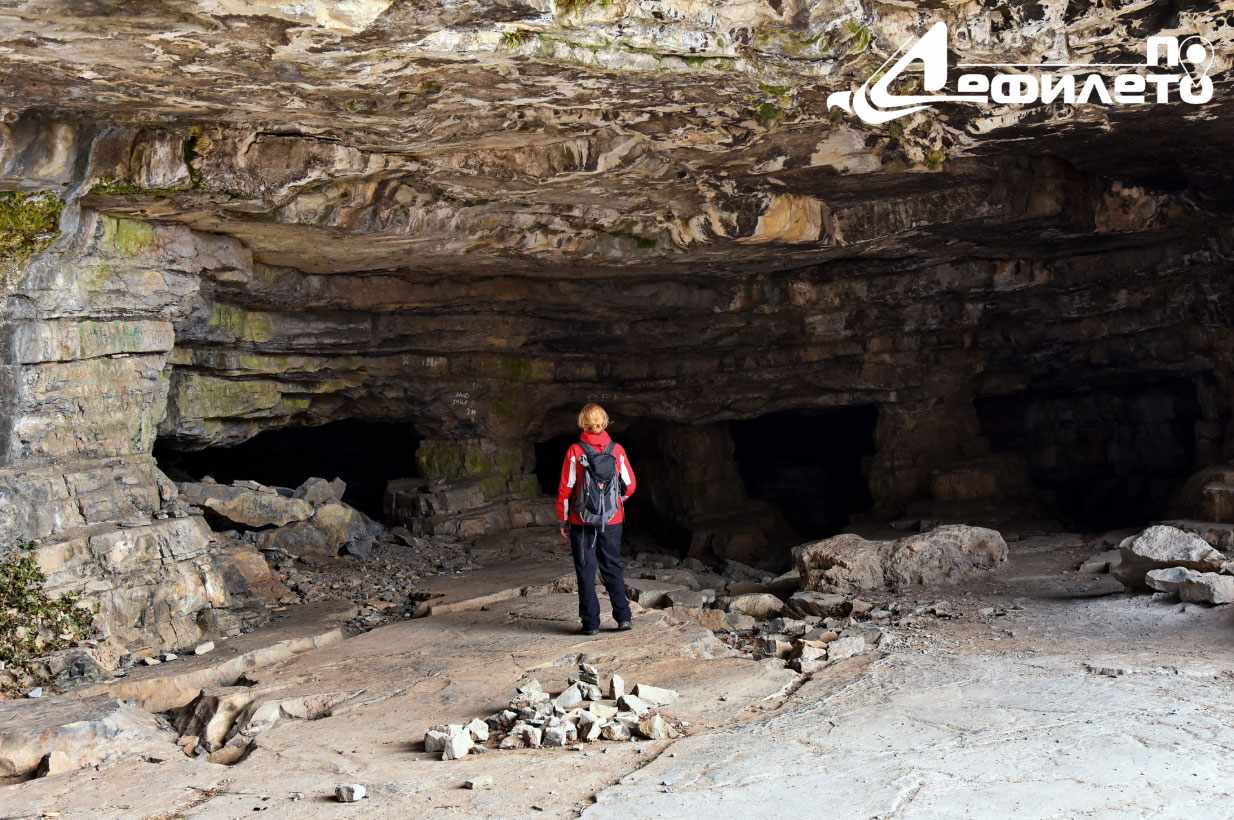
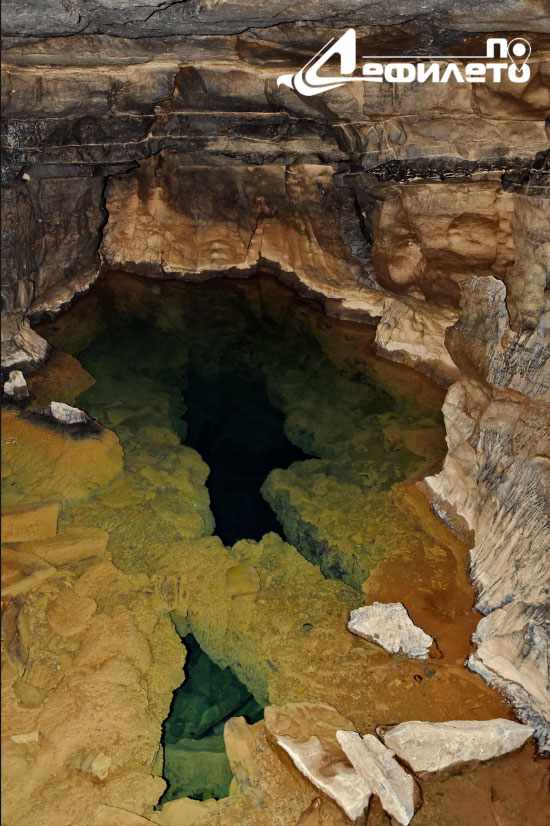
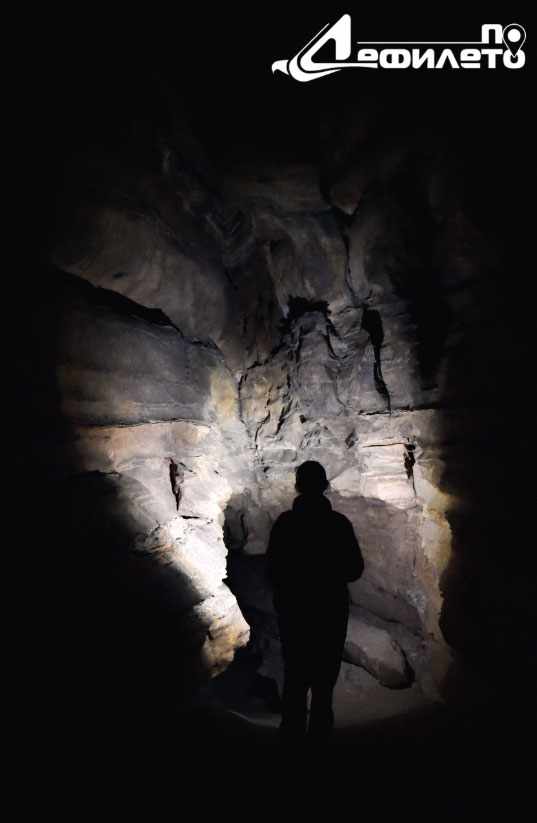
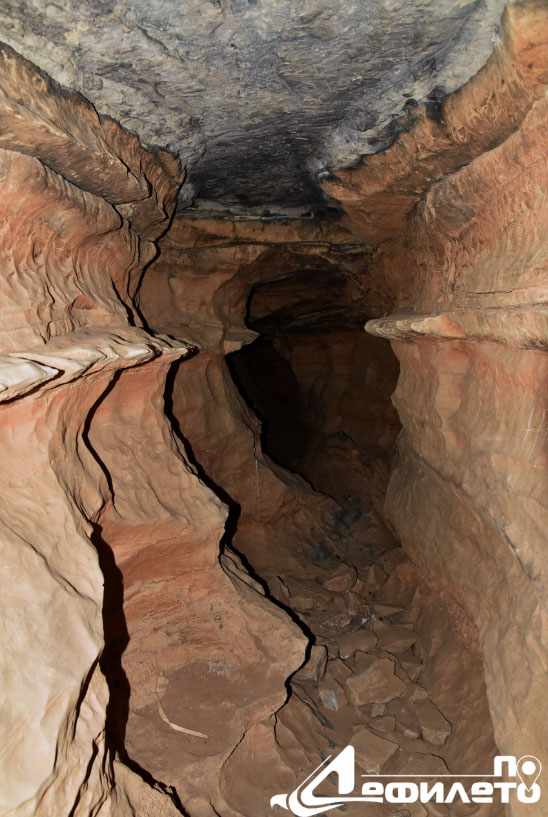
Located northwest of Lakatnik Station on the left bank of the Iskar River, Temnata Dupka (Dark Hole) is a complex cave system spanning 4 levels with over 9 km of galleries. Its main underground river usually drains through the Zhitolyub karst spring below, but during heavy rain or snowmelt, it overflows through the entrance to form a waterfall. The cave is a protected natural landmark within Vrachanski Balkan Nature Park; it is not a show cave, and entry is restricted to scientific speleologists.
Temnata Dupka boasts Bulgaria’s richest cave fauna, harboring 94 species, including 17 troglobites. Most notable is Protelsonia lakatnicensis, a critically endangered freshwater crustacean up to 2 cm long that is a local endemic found nowhere else on Earth.
The cave's documented exploration began in 1912 when Acad. Ivan Buresh studied its bats, followed by Zheko Radev’s first 150-meter map in 1915. In the 1920s, Eng. Pavel Petrov designed a portable wooden boat to navigate its underground lakes. Exploration led by P. Tranteev extended the mapped length to 3,200 m by 1958. Today, research continues through its labyrinths, waterfalls, and pristine formations beyond the lakes. In 2001, a French-Belgian diving team penetrated 240 m into the terminal siphon at a depth of 20 m.